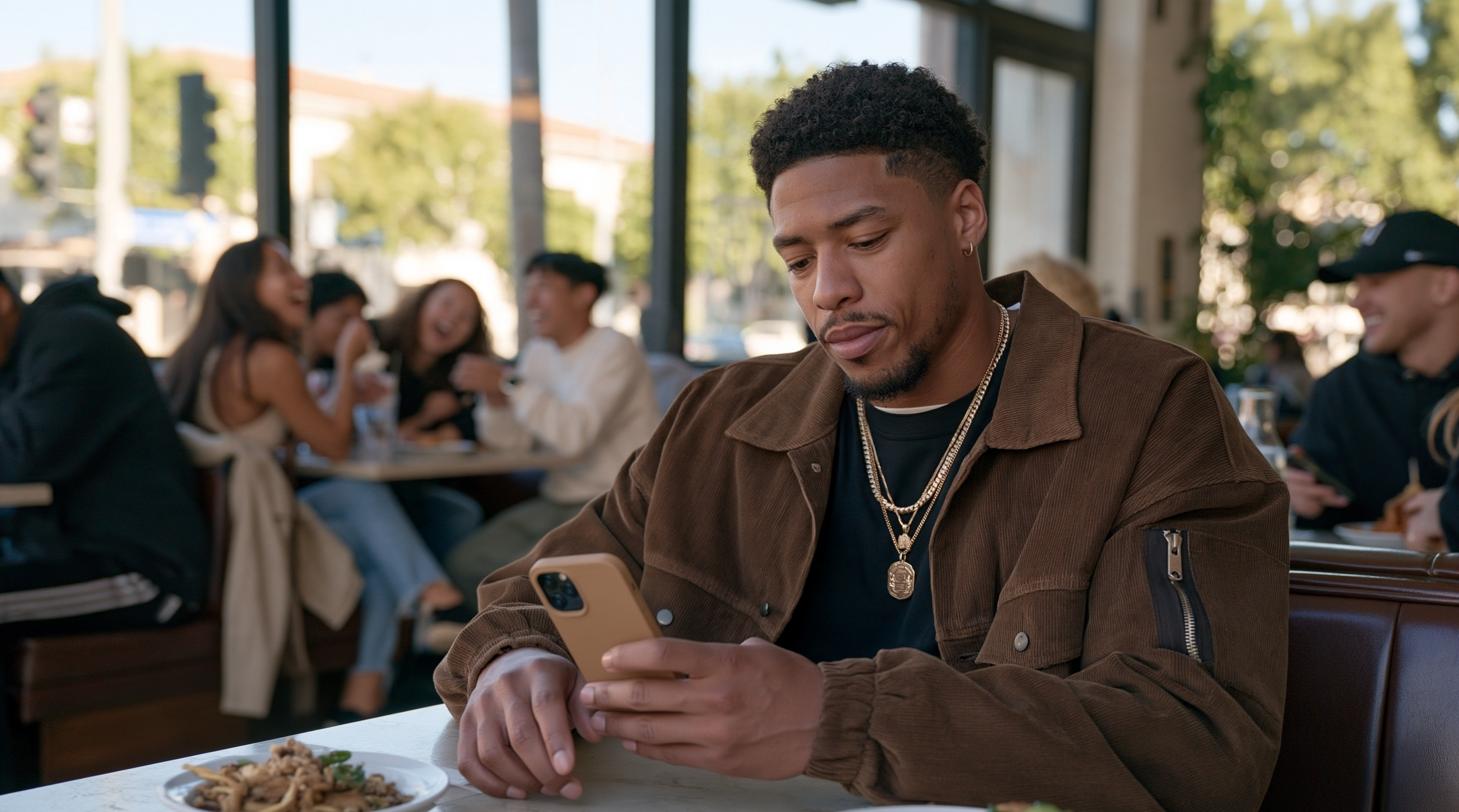
Digital body language signals that actually mean someone's into you.
The elevator doors slid open, and she walked in with confidence, her heels clicking against the floor. He watched as she scanned the room, her eyes locking onto his for a brief moment before moving on. It was a fleeting glance, but it left him feeling like he'd been seen.
Digital body language is a set of nonverbal cues that reveal how we perceive and interact with others in online spaces. It's not just about the words we type; our digital behavior sends subtle signals to those around us. In this article, we'll explore the digital body language signals that indicate someone's interest in you.
Proximity and Distance
-
The Leaning-In Technique When someone is interested in getting closer to you online, they often lean in with their words or actions. This can be a slight inclination of the head or a nodding motion, but it's enough to show that they're engaged and eager to connect.
-
The Mirroring Effect Mirroring involves subtly imitating the other person's body language. When someone is mirroring you, it's often a sign that they feel comfortable and connected with you. This can be especially noticeable in online environments where physical proximity is limited.
-
The Proximity Signal When someone is interested in getting closer to you online, they may start to engage in more frequent or prolonged conversations. They might also initiate new topics of discussion or ask follow-up questions.
-
The Avoidance Technique On the other hand, when someone is avoiding physical proximity or digital interactions, it can be a sign that they're not interested. This can manifest as a sudden decrease in response time or an avoidance of certain topics of conversation.
Verbal and Nonverbal Interactions
-
The Enthusiastic Response When someone responds to your messages with enthusiasm and energy, it's often a sign that they're genuinely interested in talking to you. This can be evident in the tone, language, and even punctuation used.
-
The Active Listening Technique Active listening involves paying attention not only to what you say but also to how you say it. When someone is actively listening to you online, they're more likely to respond with thoughtful questions or comments that show they value your input.
-
The Personal Connection When someone starts to connect with you on a personal level online, they may start to share more about themselves. This can be done through shared interests, hobbies, or experiences that reveal their personality and values.
-
The Sense of Humor A well-timed joke or witty remark can go a long way in establishing a connection with someone online. When someone shares humor or playfulness with you, it's often a sign that they enjoy your company and want to build a rapport.
Digital Behavior Patterns
-
The Quick Response Time When someone responds quickly to your messages online, it's often a sign that they're interested in talking to you. This can be especially noticeable on social media platforms or dating apps where delayed responses are not uncommon.
-
The Frequent Check-Ins Frequent check-ins from someone who is interested in getting closer to you online can be a sign of their enthusiasm and eagerness to connect.
-
The Curiosity Signal When someone asks curious questions about your interests, hobbies, or experiences online, it's often a sign that they're genuinely interested in building a connection with you.
-
The Sense of Accountability When someone starts to hold themselves accountable for their behavior online, it can be a sign that they value responsibility and consistency. This might manifest as a commitment to regular communication or a willingness to apologize when necessary.
The Root Cause: Attachment Issues
At its core, digital body language signals are often rooted in attachment issues or insecurities. When we're uncertain about someone's interest or rejection, our bodies respond with stress hormones like cortisol and adrenaline. This can lead us to overanalyze their behavior, misinterpret subtle cues, and become overly attached.
Understanding the deeper psychology behind digital body language signals can help us navigate online interactions more effectively. By recognizing these patterns and behaviors, we can create a more positive and engaging online experience for ourselves and others.
Further Reading
Digital body language is not just about decoding someone's interest; it's also about understanding our own behavior in online spaces. One book that helped me understand my anxious attachment tendencies was "Attached: The New Science of Adult Attachment and How It Can Help You Find,and Keep,Love" by Amir Levine and Rachel Heller.
This book provided a framework for understanding how our attachment styles influence our relationships, both online and offline. By recognizing my own anxiety patterns, I was able to develop healthier communication habits and build stronger connections with others.
Another resource that has been invaluable is "Cues: Hidden Messages in the Everyday Words and Nonverbal Cues That Reveal What People Really Mean" by Vanessa Van Edwards. This book provided a comprehensive guide to decoding nonverbal cues, including those used online.
For a more practical approach to digital body language, I recommend "What Every Body Is Saying: An Ex-FBI Agent's Guide to Decoding Human Behavior" by Joe Navarro. This book offers a wealth of information on interpreting body language and nonverbal cues in various contexts, including online interactions.
Ultimately, understanding digital body language signals requires a nuanced approach that combines psychological insight with practical knowledge. By recognizing the patterns and behaviors outlined above, we can create more positive and engaging online experiences for ourselves and others.
You're Being Misread: A Practical Guide to Decoding the Signals People Send Through Texts, DMs, and Online Behavior by Vanessa Greer is another resource that went further than the others , more practical, more specific to what you were actually dealing with. What clicked for me was the chapter on "The Art of Online Inquiry" , it described exactly what I had been doing without realising it.
What to Do With This
When navigating online interactions, there are a few key strategies that can help us build stronger connections and avoid misinterpretation:
First, be mindful of your own behavior and emotional responses. Recognize when you're becoming overly attached or anxious, and take steps to calm yourself down.
Second, focus on building genuine connections with others. Engage in meaningful conversations, ask thoughtful questions, and show interest in the other person's life.
Third, practice active listening and empathy online. Pay attention not only to what they say but also how they say it, and try to understand their perspective and values.
By following these strategies and staying attuned to digital body language signals, we can create more positive and engaging online experiences for ourselves and others.
Our interactions with others are often a reflection of our own insecurities and attachment issues. By understanding the psychology behind digital body language signals, we can overcome these limitations and build stronger connections with those around us.